
CompTIA A+ Core 1 & Core 2 Certification

COURSE DESCRIPTION
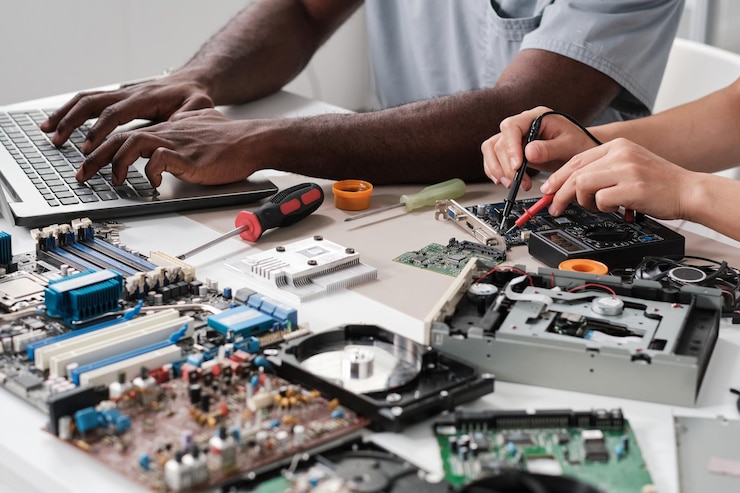
The CompTIA A+ Core 1 & Core 2 Certification Course is designed to provide learners with comprehensive knowledge and practical skills in IT support, computer hardware, networking, operating systems, troubleshooting, mobile devices, cloud and virtualisation concepts, cybersecurity, and IT operational procedures. The programme covers essential IT concepts, including computer components, motherboards, CPUs, memory, storage devices, power supplies, networking hardware, TCP/IP, wireless technologies, network services, Windows operating systems, Linux, macOS, mobile devices, printers, cloud computing, security settings, data protection, and scripting basics.
The course equips learners with the technical, analytical, troubleshooting, communication, and operational competencies required to install, configure, maintain, secure, and troubleshoot computer systems, networks, operating systems, and mobile devices. It prepares learners for entry-level and developing professional roles in IT support, technical support, help desk support, desktop support, computer maintenance, network support, systems support, and related information technology functions across private companies, government institutions, financial organisations, NGOs, educational institutions, and other technology-driven environments.
CERTIFICATION
Upon successful completion of the programme and the required CompTIA A+ Core 1 and Core 2 examinations, learners can earn the CompTIA A+ certification from CompTIA. This globally recognised IT certification demonstrates foundational competence in computer hardware, networking, operating systems, troubleshooting, mobile devices, cloud and virtualisation concepts, cybersecurity, software support, and IT operational procedures. It prepares learners for professional opportunities in IT support, technical support, help desk support, desktop support, computer maintenance, network support, systems support, and related information technology fields, as well as further professional development in IT and cybersecurity.
LEARNING OUTCOMES
- Develop a strong understanding of fundamental IT concepts, computer hardware, operating systems, networking, and troubleshooting principles.
- Identify, install, configure, maintain, and troubleshoot computer components, including CPUs, system memory, storage devices, power supplies, motherboards, and cooling systems.
- Understand and work with different cables, connectors, ports, peripherals, and networking hardware used in modern IT environments.
- Apply troubleshooting methodologies to diagnose and resolve common hardware, software, networking, operating system, and mobile device problems.
- Develop an understanding of networking concepts, including network types, TCP/IP, network addressing, wireless technologies, network communications, and network services.
- Configure and troubleshoot basic network connections, including wired and wireless networks, SOHO networks, and Internet connectivity.
- Understand virtualisation and cloud computing concepts and their applications in modern IT environments.
- Install, configure, manage, and troubleshoot Windows operating systems, applications, system settings, and networking features.
- Develop practical knowledge of Windows management tools, command-line utilities, networking tools, performance monitoring, and troubleshooting procedures.
- Understand the features and basic administration of other operating systems, including Linux and macOS.
- Apply fundamental security principles to protect workstations, user accounts, networks, mobile devices, data, and other IT resources.
- Understand common security threats, vulnerabilities, attacks, authentication methods, wireless security protocols, and basic security controls.
- Apply appropriate security practices, including workstation security, browser security, account security, Windows shares, SOHO router security, and data protection.
- Understand data backup, recovery, handling, and protection practices to support business continuity and minimise data loss.
- Develop skills in supporting and troubleshooting mobile devices, mobile applications, laptops, and related peripherals.
- Install, maintain, troubleshoot, and support printers and multifunction devices, including performing routine print device maintenance.
- Develop professional IT support skills, including documentation, communication, user support, change management, and inventory management.
- Understand common workplace safety, environmental, operational, and professional procedures relevant to IT support environments.
- Develop foundational scripting and automation knowledge to support basic IT administration and troubleshooting tasks.
- Develop analytical, problem-solving, critical-thinking, and decision-making skills relevant to IT support and technical environments.
- Prepare for the CompTIA A+ Core 1 and Core 2 examinations and professional roles in IT support, help desk support, technical support, desktop support, network support, and related information technology fields.
📢 UPCOMING COURSE
| Awarding Body | CompTIA |
| Duration | 2-3 Months |
| Study Mode | Online/ Physical |
| Entry Requirements | Basic computer and IT knowledge recommended |
| Intake Periods | January / June / September |
| Type | Full time |
| Application/ Registration fee | US$20 |
| Tuition | |
| Centre fee | |
| Examination fee |
COURSE UNITS
CORE 1
Module 1: What Does an IT Specialist Do?Module 2: Installing Motherboards and ConnectorsModule 3: Installing System DevicesModule 4: Troubleshooting PC HardwareModule 5: Comparing Local Networking HardwareModule 6: Configuring Network Addressing and Internet ConnectionsModule 7: Supporting Network ServicesModule 8: Summarising Virtualisation and Cloud ConceptsModule 9: Supporting Mobile DevicesModule 10: Supporting Print DevicesCORE 2
Module 1: What Does an IT Specialist Do?Module 2: Managing Support ProceduresModule 3: Configuring WindowsModule 4: Managing WindowsModule 5: Supporting WindowsModule 6: Securing WindowsModule 7: Installing Operating SystemsModule 8: Supporting Other Operating SystemsModule 9: Configuring SOHO Network SecurityModule 10: Managing Security SettingsModule 11: Supporting Mobile SoftwareModule 12: Using Data SecurityModule 13: Implementing Operational ProceduresCareer Opportunities
- IT Support Specialist
- IT Support Technician
- Help Desk Technician
- Help Desk Support Specialist
- Desktop Support Technician
- Desktop Support Specialist
- Technical Support Specialist
- Technical Support Technician
- Computer Support Specialist
- Computer Technician
- PC Technician
- Hardware Support Technician
- IT Service Desk Technician
- Service Desk Analyst
- IT Operations Support Technician
- Field Service Technician
- Systems Support Technician
- Network Support Technician
- Network Support Specialist
- Junior Network Technician
- Junior Systems Administrator
- Systems Administrator – Entry Level
- IT Administrator
- IT Assistant
- IT Support Officer
- ICT Support Technician
- ICT Support Officer
- Computer Maintenance Technician
- Hardware and Software Support Technician
- End-User Support Technician
- Desktop Support Analyst
- IT Help Desk Analyst
- Technical Support Officer
- IT Service Technician
- IT Operations Assistant
- IT Support Assistant
Course Features
- Duration 2-3 Months
- Activities Computer Science & Technology
You May Like
CompTIA Network+
The programme integrates essential networking practices, ensuring learners gain knowledge aligned with current networking principles, industry standards, network infrastructure practices, and workplace requirements. It equips...
CompTIA Security+ Certification
The programme integrates essential cybersecurity practices, ensuring learners gain knowledge aligned with current information security principles, industry standards, security technologies, and workplace requirements. It equips...

Certificate in Makeup Artistry (Short Course)
This programme introduces learners to the essential knowledge and practical skills required to perform professional makeup application and beauty services using industry-standard cosmetics, tools, equipment,...

Certificate in Nail Technology (Short Course)
This programme introduces learners to the essential knowledge and practical skills required to perform professional nail care, nail enhancement, and beauty services using industry-standard products,...
Mobile Phone Repairing and Maintenance Course(Professional Course)
This programme introduces learners to the essential knowledge and practical skills required to diagnose, repair, and maintain modern smartphones and mobile devices using industry-standard tools,...